
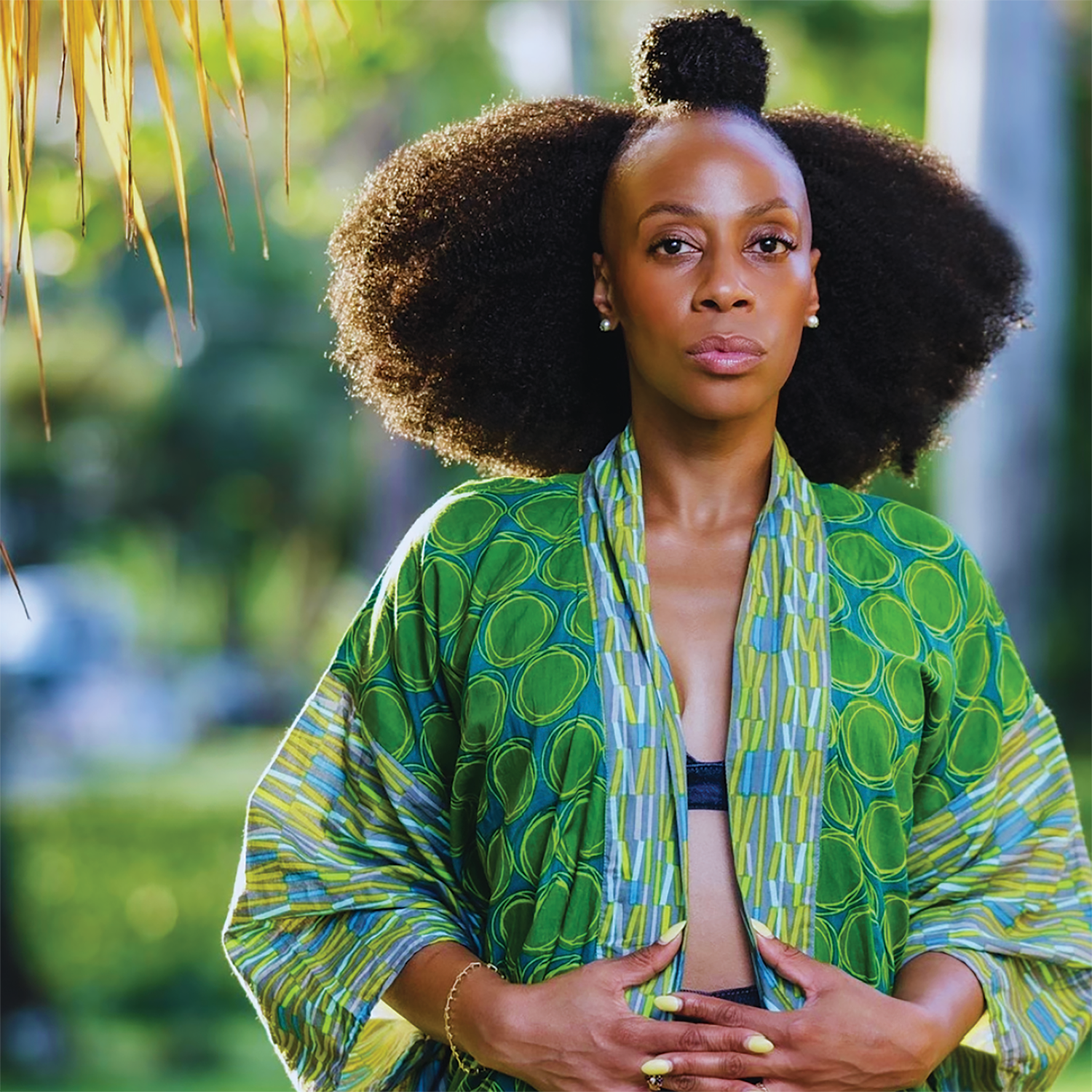
A woman’s life is not easy. And when we are stressed, our faces look haggard, and our bodies release cortisol, which spikes inflammation and sabotages the skin barrier. For us women, this manifests in other visible ways, from dull hair and stress acne to noticeable hair shedding to dry patches on the face.
So how do we rebalance?
That’s the question Joelle Sayed, a former beauty marketing executive in New York, asked herself a few years ago. Like most women, she worked hard, giving 100 percent in the office and 100 percent at home. She knew something had to give. But she loved working with skincare lines, product development, and innovation. She perceived it as a consumer, testing this and that.
Little did she know then how that knowledge would become the foundation of her next career path. The last company she worked for before she founded sēd skin was one of the largest Korean beauty companies in New Jersey. They produced formulations for many of the brands we find in Sephora and Ulta today.
Up to that point, Sayed had never asked herself that question, or even what black beauty really meant, she said. As a first-generation Haitian American, she wanted to learn more about her heritage. So she started digging deep into Haiti’s agriculture. And what she found blew her mind. The mangoes, guavas, and passion fruit she ate as a kid would literally become the seeds of her skincare brand. sēd skin. And this is where we find her. Relaxed, hydrated, and sharing her passion for beautiful, healthy skin with others.
MC: Tell me about your skincare brand.
JS: For me, sēd has always been about more than skincare. As a first-generation Haitian American, I have seen creating this brand as an opportunity to tell a different story about Haiti, one centered on beauty, agriculture, craftsmanship, and wellness. Every formula celebrates the incredible botanicals grown on the island, while our packaging features traditional Haitian art by Jean Louisus, allowing us to share culture in a way that feels authentic and beautiful.
MC: How were you introduced to these tropical fruits and plants?
Joelle Sayed: I remember watching my father eat mangoes over the sink. That’s just part of my culture. But I never knew what kind of skin benefits I could get from them. My earliest summers were spent with my grandparents in the bustling capital of Port-au-Prince. The energy was familial and communal—vibrant market scenes, neighbors trading rice for corn, and us kids sipping coconut water straight from the source. My grandfather had a sugarcane plantation, and passion fruit was one of the fruits he grew. Hibiscus is Haiti’s national flower.
MC: So how did you go from the fruits and plants to the brand?
JS: Well, in all of this, I became intrigued by these tropical fruits and particularly by the Hibiscus flower.
MC: Yes, I’ve read a lot about its natural properties. They are particularly rich in antioxidants (such as vitamin C) that combat cell-damaging free radicals, as well as compounds that help relax blood vessels and lower blood pressure. Hibiscus also acts as a mild natural diuretic and supports digestion, which I find fascinating. Research also shows several physiological benefits associated with consuming hibiscus extracts, usually in the form of teas or supplements. It even lowers blood sugar levels and reduces body fat mass. Yes, I’ve done a deeper dive into Hibiscus flowers myself, and I’m a big fan.
JS: Yes, I can see that. It naturally produces what many high-end products costing between $200 and $300 do. I wanted this product to be luxurious, too. But I didn’t want them to be synthetic, made in a lab like those high-end products, which can ultimately cause a lot of damage to the skin.
I was diagnosed with multiple sclerosis, MS, in my early 30s. So, I made the intentional decision to slow down and build a life around anti-burnout and radical self-care. That was not easy for me to do at first, because that’s not how we operate in corporate America.
MC: It’s hard. We are a burnout culture, especially women.
JS: Exactly. Like you, I work for a living, and I’m a wife and mother. I knew I had to be my own boss and create my own brand. It was time. I now work at my own pace, and I still get the work done.
MC: When did you realize the Guava Oil was a hit?
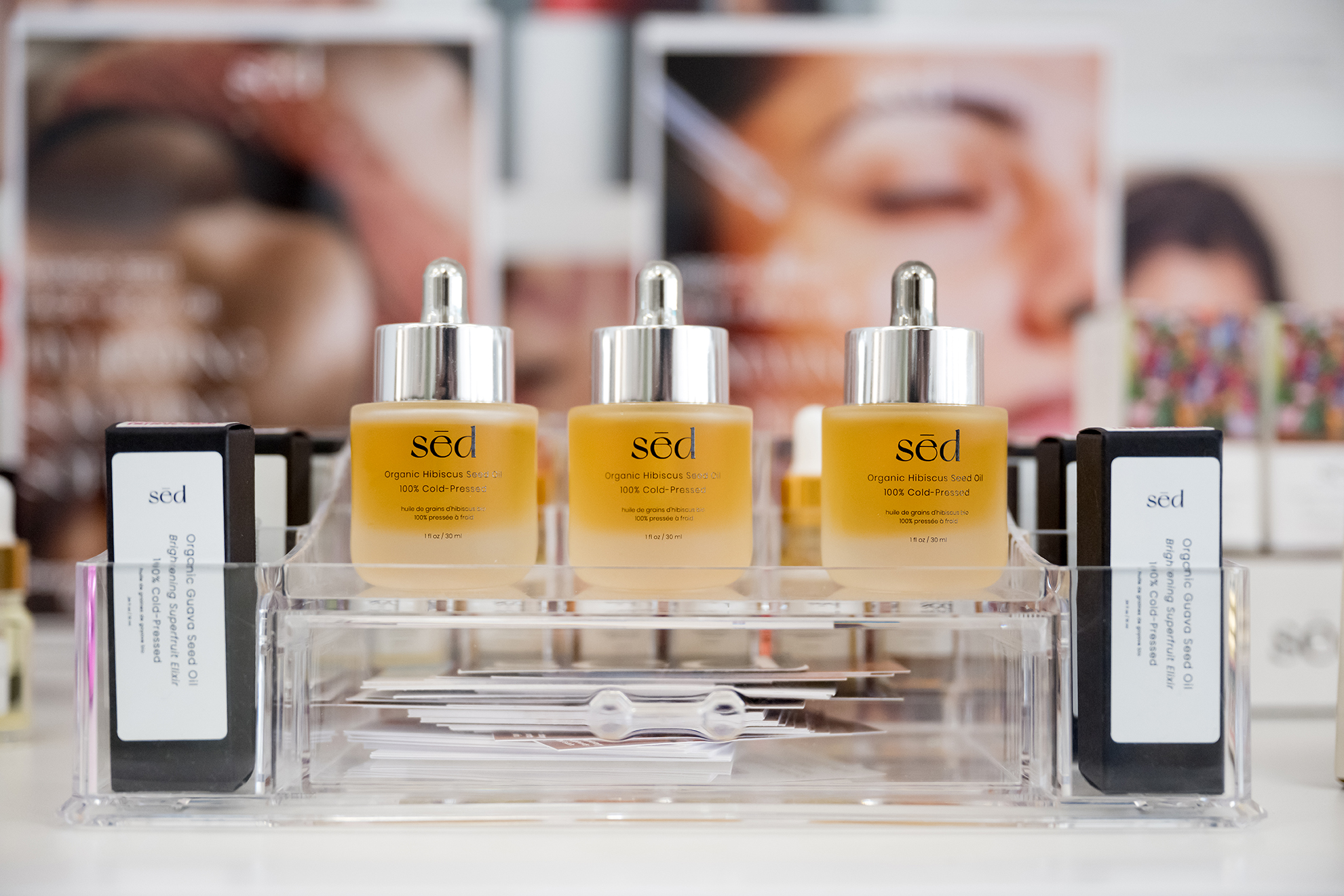
JS: The Guava is my new favorite. It used to be the Hibiscus, and I feel like people who love it will really love the Guava oil because it has that natural aroma that transports you.
MC: I love my Guava skin! I put the oil on my face, arms, hands, and even on my heels. I carry it with me the whole day. Ever since I tried one of your samples, my skin has felt totally different.
JS: That’s wonderful! And the Passion Fruit is like that too. It has that juicy, sweet smell. The Guava reminds you of a beach or island scent. For the past four years, these have been the main hydration products I've been using for my face and body.
MC: What do you recommend using during the day, now that it’s so hot in the summer?
JS: I use a gentle cleanser, then one of the oils. In the winter, I tend to go a little heavier with the Mango Oil. But now that it's summertime, I've been using the Guava and the Passion Fruit. Sometimes by themselves, sometimes together.
MC: So, the whole point is to hydrate the skin.
JSL Hydration, hydration, hydration. And not like just drinking water, but like keeping your skin hydrated with these essential oils. Each of them is a great base for makeup and sunscreen. Skin is our largest and most exposed organ, most especially in South Florida! So, while my products might be better suited to the face, you can use them all over your body to hydrate your skin. And you’ve tried it and seen the incredible benefits. These are single ingredients, because less is more. These facial oils can be your moisturizer. Facial oils have been trending for a while, for good reason.
MC: How about if you have oily skin?
JS: Some people are afraid to use oils. But if you have oily skin, I recommend the Passion Fruit from sea oil because it is rich in antioxidants and has anti-inflammatory properties. It's completely organic. Again, you will smell a fragrance, but there's no added fragrance, and there aren't any harsh chemicals like salicylic acid or benzoyl peroxide.
MC: What have you been up to in 2026 with sēd?
JS: This has been a year of thoughtful growth for sēd, with a strong focus on building community one meaningful connection at a time. I've spent 2026 meeting women where they already are. I've been introducing people to the brand through personal sampling experiences and curated pop-ups like at Jones Road Beauty in Palm Beach, Pretty Well Beauty in New York City, Parent Association gatherings, community events, and even my 13-year-old son's soccer games, where I've loved sharing samples with fellow soccer moms.
One of my favorite moments was during the Easter season in Palm Beach, when I tucked seeds into metallic eggs and sampled throughout Royal Poinciana Plaza, Tutto Mare, and nearby luxury boutiques. During spring break, I continued that same spirit of connection by sharing samples poolside at a luxury resort in Mexico. Those unexpected moments of discovery have become one of my favorite ways to introduce people to the brand.
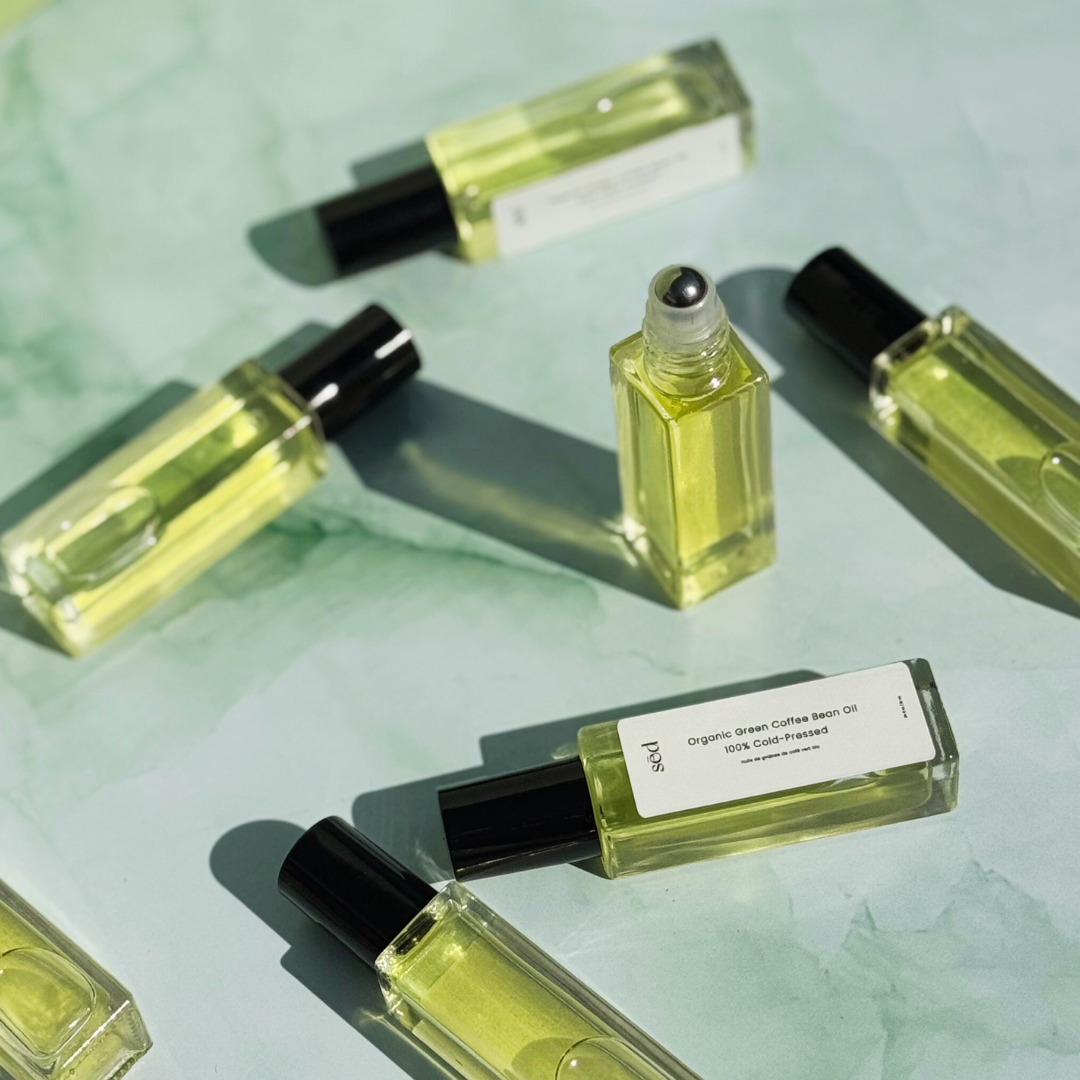
Beyond sampling, this year has also been an opportunity to introduce more people to our newest product, Organic Green Coffee Bean Eye Oil. Inspired by Haiti's coffee-growing heritage, this cooling rollerball treatment helps visibly depuff, brighten, and hydrate the delicate eye area while transforming an everyday skincare step into a small daily ritual.
MC: What new trends have you seen in the beauty and wellness industry? And how are your products a good reflection of that?
JS: One of the most exciting trends I'm seeing is that beauty and wellness are becoming much more connected. Consumers are realizing that healthy skin starts long before the products we apply topically.
Social media has played a big role in that conversation. From the viral retinol carrot salad to collagen drinks, antioxidant-rich juices, and nutrient-dense foods, people are embracing the idea of "eating their skincare."
Consumers are taking a more holistic approach to beauty, recognizing that what we nourish our bodies with is just as important as what we put on our skin. At the same time, skincare itself has become less about chasing the newest miracle ingredient and more about choosing fewer, higher-quality products with transparent sourcing and a meaningful story.
We're also seeing a shift away from "anti-aging" toward supporting healthy, resilient skin over time, along with a growing appreciation for rituals that encourage us to slow down and care for ourselves with intention.
I'm also excited by the tremendous growth happening in luxury body care. Consumers are beginning to care for the skin on their bodies with the same intention they give their faces, and that's a direction we see for sēd's future. While our focus today remains our facial collection, body care is absolutely part of our long-term vision, and I can't wait to share more when the time is right.
MC: Where can South Florida find you and your products? And what would you like our readers to take away from your story?
JS: South Florida has become an incredibly exciting market for sēd. Our full collection can be found at www.sedskin.com, and locally, we're proud to have our Organic Hibiscus Seed Radiance Renewal Oil available at House of Perna in Delray Beach, located next to The Ray Hotel.
I also love meeting customers in person, so you'll continue to find us at curated pop-ups and community events throughout South Florida, where people can experience the products firsthand and learn the story behind the brand. The best way to stay updated on upcoming events and new retail partners is by following us on Instagram at @sedskin.
My hope is that every bottle of sēd reminds someone to pause, reconnect with themselves, and discover that self-care isn't another t